


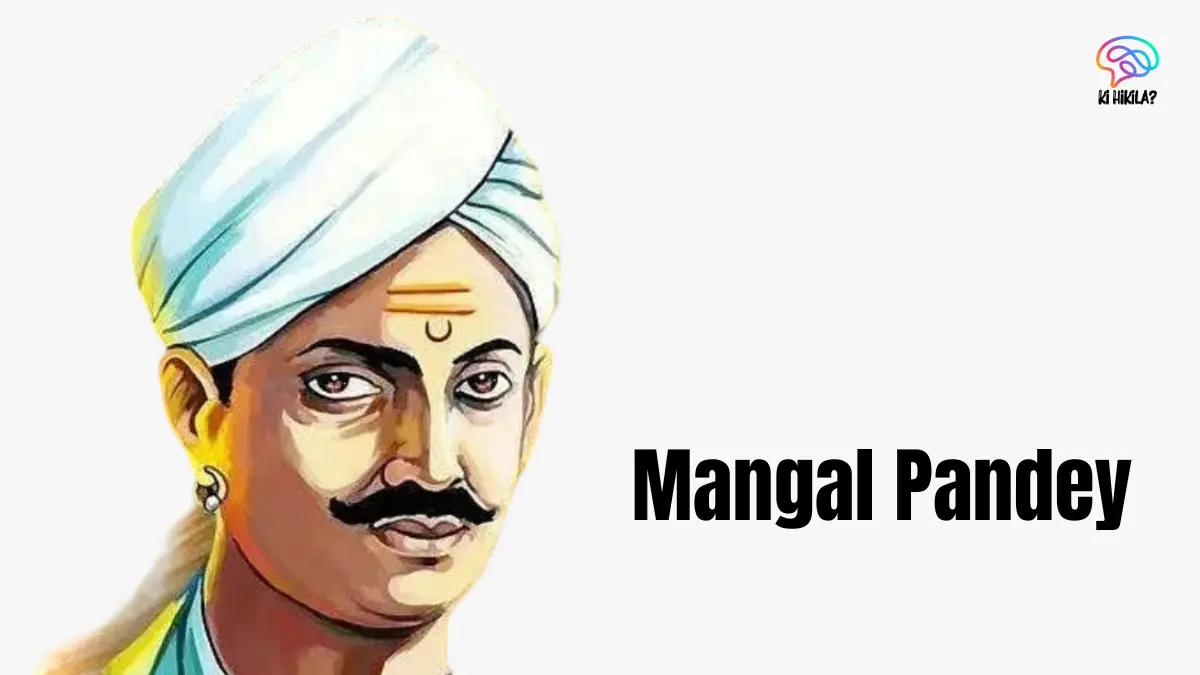
Mangal Pandey: Freedom Fighter Behind the 1857 Revolt

Mangal Pandey stands as a towering figure in India’s struggle for independence, a brave sepoy whose defiance against British colonial rule sparked the Revolt of 1857, often hailed as the First War of Indian Independence. His act of rebellion at Barrackpore in 1857 cemented his legacy as an Indian freedom fighter, inspiring a nation to rise against oppression. As we commemorate his birth anniversary on July 19, 2025, this biography delves into his life, his pivotal role in the uprising, and his enduring impact as a national hero.
Thank you for reading this post, don't forget to subscribe!Early Life and Background of Mangal Pandey
Mangal Pandey was born on July 19, 1827, in Nagwa, a village in the Ballia district of present-day Uttar Pradesh, India. Hailing from a prosperous Brahmin family with deep Hindu beliefs, his upbringing was steeped in tradition and faith. His father, Divakar Pandey, and mother, Abhairani Pandey, provided a stable foundation despite the turbulent colonial era.
Cultural and Religious Roots
Growing up in a high-caste Brahmin household, Mangal was deeply influenced by Hindu values, which later shaped his resistance to British policies that threatened religious practices. His early years in rural Uttar Pradesh exposed him to the growing discontent against British rule, setting the stage for his transformation into a national hero.
Military Career: From Sepoy to Revolutionary
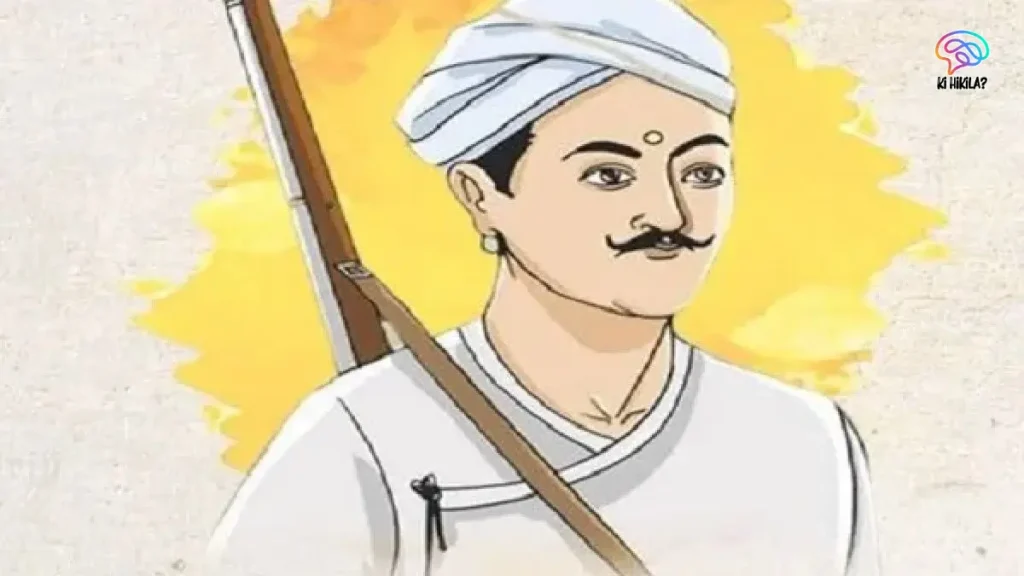
In 1849, at the age of 22, Mangal Pandey joined the Bengal Army, a key component of the British East India Company’s military forces. By March 1857, he served as a private soldier (sepoy) in the 5th Company of the 34th Bengal Native Infantry, stationed at Barrackpore, near Kolkata. This regiment, predominantly composed of Brahmin soldiers, was a hotbed of unrest due to British insensitivity to Indian religious customs.
Rising Tensions in the Bengal Army
The introduction of the Enfield rifle cartridges, rumored to be greased with cow and pig fat, was a profound affront to both Hindu and Muslim sepoys. For Hindus, the cow was sacred, and for Muslims, pig fat was forbidden. These rumors, coupled with broader grievances about low pay and discriminatory treatment, fueled resentment among the sepoys, including Pandey.
The Barrackpore Mutiny: A Spark for Revolution
On March 29, 1857, Mangal Pandey’s defiance erupted into a historic act of rebellion at the Barrackpore parade ground. His actions marked a turning point in India’s fight for independence.
The Confrontation
Agitated by the cartridge controversy, Pandey, armed with a musket, openly urged his fellow sepoys to revolt against their British officers. When Lieutenant Henry Baugh approached on horseback, Pandey fired, wounding him and his horse. He also attacked Sergeant-Major James Hewson, escalating the confrontation. As British forces moved to quell the unrest, Pandey called on his comrades to join him, but their hesitation reflected the fear of repercussions.
Attempted Sacrifice and Arrest
Seeing his fellow sepoys waver, Pandey turned his musket on himself, placing the muzzle to his chest and firing with his toe. The attempt failed, leaving him wounded but alive. He was swiftly arrested, marking the beginning of his transformation into a martyr for India’s freedom struggle.
Trial and Execution: A Catalyst for the 1857 Revolt
Mangal Pandey was court-martialed for mutiny and attempted murder. On April 8, 1857, he was executed by hanging at Lal Bagan, Barrackpore. His death was not the end but a catalyst, igniting widespread rebellion across northern India.
Aftermath of the Execution
The British disbanded the 34th Bengal Native Infantry, mirroring their response to the earlier Berhampore mutiny. Pandey’s execution sent shockwaves through the sepoy ranks, inspiring uprisings in Meerut, Delhi, Kanpur, Jhansi, and Lucknow. His solitary act of defiance galvanized a broader movement, earning him the title of a national hero.
Mangal Pandey’s Role in the Revolt of 1857
Mangal Pandey’s actions at Barrackpore were a spark that lit the fire of the Revolt of 1857, also known as India’s First War of Independence. His rebellion highlighted key grievances:
- Religious Sensitivities: The cartridge issue unified Hindu and Muslim sepoys in outrage, exposing British cultural insensitivity.
- Military Discontent: Pandey’s act inspired mass desertions and mutinies, weakening British control.
- Pan-Indian Unity: His defiance rallied soldiers and civilians across regions and religions, setting the stage for a nationwide uprising.
The revolt, though ultimately suppressed, marked a turning point, signaling the beginning of organized resistance against British rule.
Legacy of Mangal Pandey: A Symbol of Resistance
Mangal Pandey’s legacy endures as a powerful symbol of courage and resistance. His act of defiance in 1857 inspired future freedom fighters, embedding his name in India’s historical narrative. Today, he is celebrated as a national hero, with his story immortalized in various forms.
Cultural Impact
The 2005 film Mangal Pandey: The Rising, starring Aamir Khan, brought his story to global audiences, portraying him as a pioneer of India’s freedom struggle. Literature, songs, and memorials, including statues in Uttar Pradesh, continue to honor his sacrifice. His birth anniversary, observed as Mangal Pandey Jayanti, is a time to reflect on his contributions.
Modern Relevance
Pandey’s stand against injustice resonates in contemporary discussions about standing up to oppression. His courage reminds us that a single act of conviction can alter history, making him a timeless figure in India’s fight for independence.
Historical Significance of Mangal Pandey and the 1857 Revolt
| Aspect | Impact |
|---|---|
| Catalyst for Revolt | Pandey’s defiance sparked the 1857 uprising, inspiring sepoys and civilians. |
| Religious Unity | The cartridge controversy united Hindus and Muslims against British rule. |
| Military Impact | Led to mutinies and desertions, weakening British control in northern India. |
| National Awakening | Paved the way for organized resistance, influencing later independence movements. |
Why Mangal Pandey Matters Today
Mangal Pandey remains a beacon of patriotism and sacrifice. His willingness to risk everything for his beliefs underscores the power of individual action in the face of tyranny. As a national hero, his story continues to inspire those fighting for justice and equality worldwide.
Frequently Asked Questions About Mangal Pandey
What is Mangal Pandey famous for?
Mangal Pandey is renowned as an Indian freedom fighter who sparked the Revolt of 1857 by defying British authorities over the Enfield cartridge issue.
Who did Mangal Pandey shoot?
He shot at Lieutenant Henry Baugh and attacked Sergeant-Major James Hewson during the Barrackpore mutiny on March 29, 1857.
When and where was Mangal Pandey born?
He was born on July 19, 1827, in Nagwa, Ballia district, Uttar Pradesh.
How did Mangal Pandey die?
He was executed by hanging on April 8, 1857, at Barrackpore after his court-martial for mutiny.
What was Mangal Pandey’s role in the Revolt of 1857?
His rebellion at Barrackpore catalyzed the First War of Indian Independence, inspiring widespread uprisings against British rule.
Mangal Pandey’s courage as an Indian freedom fighter continues to ignite the spirit of resistance. Share your thoughts on this national hero below and explore more stories of India’s freedom fighters on our site.